
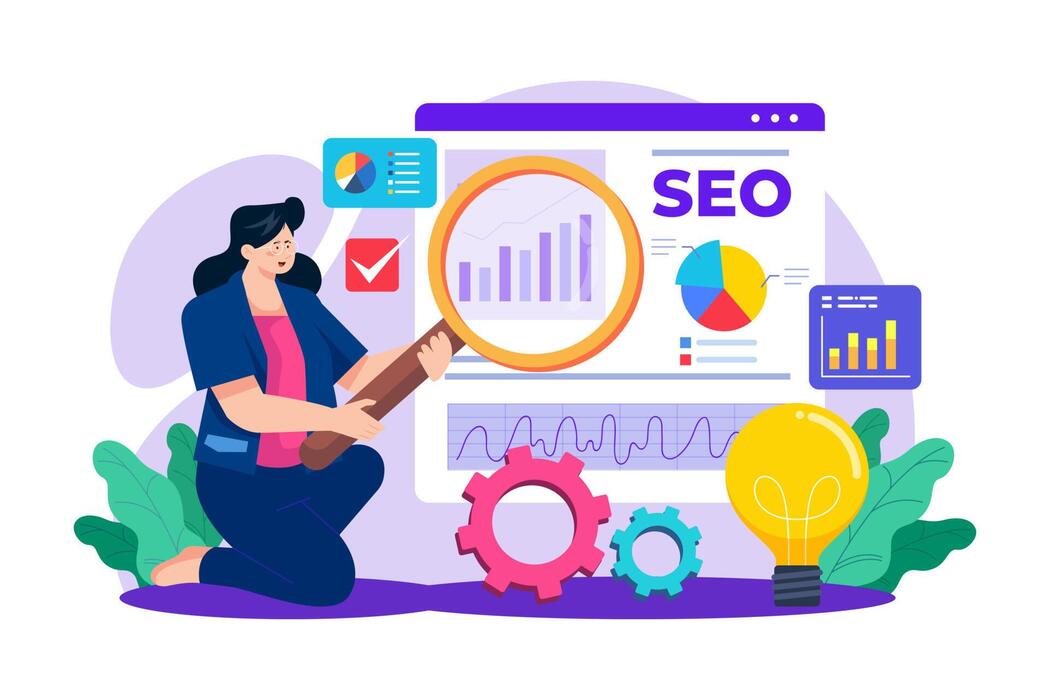
How SEO Drives Long-Term Organic Growth for Businesses
In the digital age, visibility is one of the most critical factors determining business success. With millions of websites competing for attention, simply having an online presence is no longer sufficient. Businesses must ensure that they are discoverable by their target audience at the right time and in the right context. This is where Search Engine Optimization (SEO) plays a fundamental role, enabling organizations to improve their rankings on search engines and attract high-quality organic traffic.
Unlike paid advertising, which delivers immediate but temporary results, SEO focuses on building a sustainable foundation for long-term growth. By optimizing website structure, content, and authority, businesses can consistently appear in relevant search results without relying entirely on paid channels. This not only reduces long-term marketing costs but also establishes credibility and trust among users.
Understanding SEO in Practical Terms
SEO involves optimizing various elements of a website to improve its visibility in search engine results. This includes on-page optimization such as keyword usage, content quality, and technical structure, as well as off-page factors like backlinks and domain authority. Search engines evaluate these signals to determine how relevant and trustworthy a website is for specific queries.
A well-executed SEO strategy ensures that a business is visible to users who are actively searching for its products or services. This intent-driven traffic is often more valuable than general traffic, leading to higher engagement, better conversion rates, and improved overall performance.
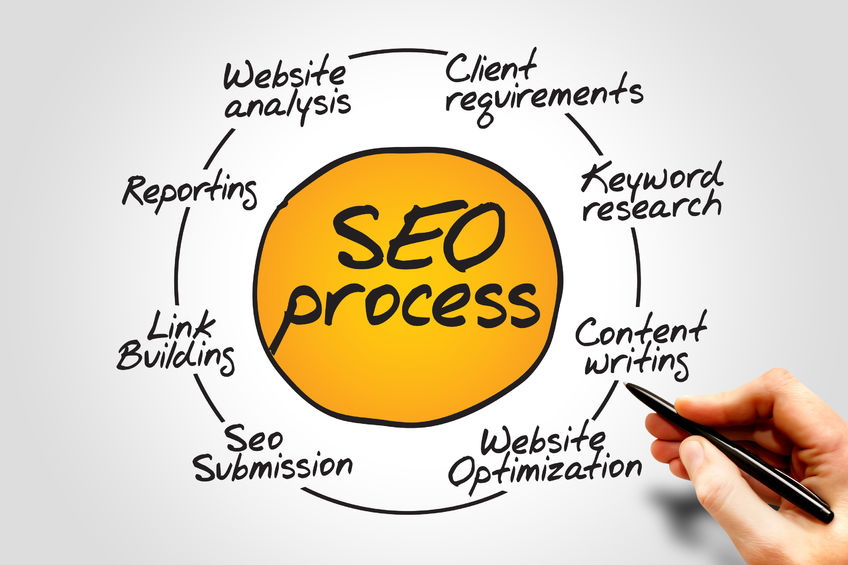
SEO is not about quick wins—it is about building long-term visibility and trust in a competitive market.
Impact on Business Growth
Businesses that invest in SEO gain a significant competitive advantage by building a strong and sustainable presence in search engine results. This organic visibility allows them to consistently attract high-intent users who are actively searching for their products or services, resulting in better lead quality and higher conversion potential. Unlike paid traffic, which stops when the budget ends, SEO continues to generate value over time, contributing to long-term brand visibility, authority, and customer trust.
In contrast, businesses that neglect SEO often become heavily reliant on paid acquisition channels, leading to increasing customer acquisition costs and limited scalability. Without a solid organic foundation, they miss out on consistent inbound traffic and are forced to compete aggressively on ad spend. This not only reduces profitability but also creates instability in growth, making SEO an essential component for sustainable and cost-effective business expansion.
Role of Content and Technical Optimization
A successful SEO strategy is built on two core pillars: high-quality content and strong technical optimization. Content plays a critical role in addressing user intent, answering queries, and providing meaningful value that encourages engagement and builds authority within a specific niche. Well-structured, relevant, and optimized content increases visibility across search queries and positions the business as a trusted source of information.
At the same time, technical optimization ensures that the website is accessible, fast, and easily understood by search engines. Factors such as site speed, mobile responsiveness, structured data, and clean architecture directly impact how efficiently search engines crawl and index content. When combined effectively, content and technical optimization create a scalable SEO framework that supports continuous improvement and long-term performance stability.
Conclusion
SEO is not a short-term tactic but a long-term strategic investment that enables businesses to build sustainable growth through consistent organic visibility. By focusing on search intent, content quality, and technical excellence, organizations can create a strong digital presence that continues to deliver results over time.
Integrating SEO into a broader digital marketing strategy allows businesses to reduce dependency on paid channels, improve return on investment, and establish lasting authority in their industry. In an increasingly competitive online environment, SEO serves as a foundational pillar for achieving scalable, predictable, and long-term success.
Leave a Reply